
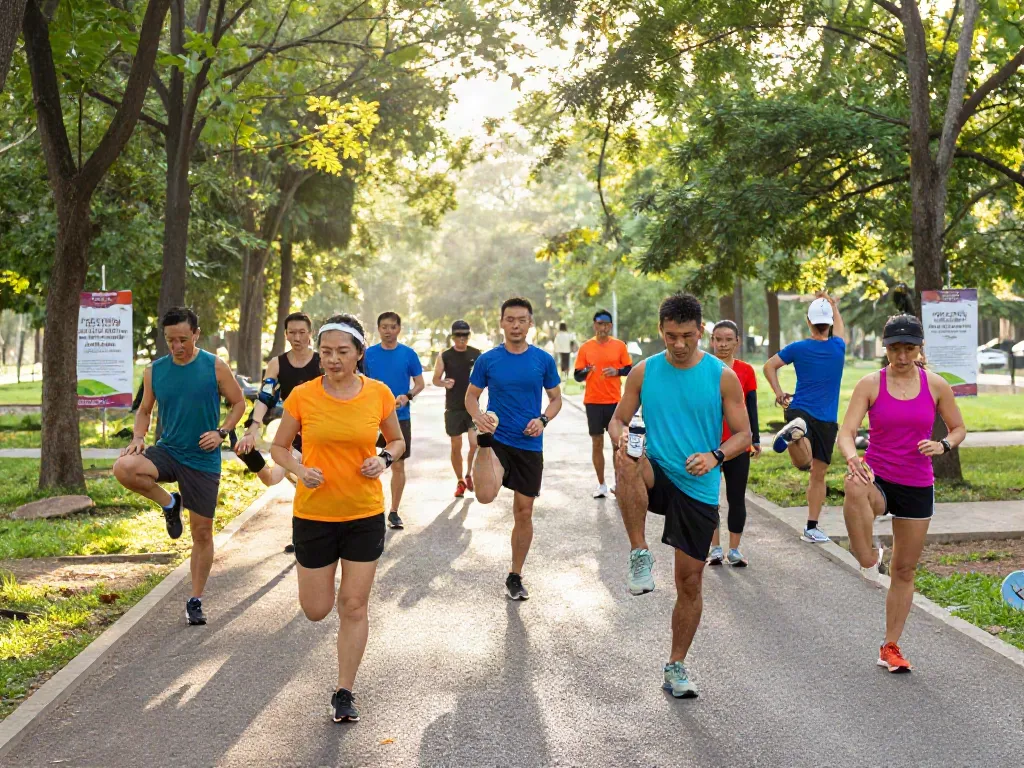
The Importance of Community in Fitness
In the ever-evolving world of fitness, a strong community can be the backbone of motivation and support for individuals striving to achieve their health goals. Engaging with others who share similar passions offers not only encouragement but also accountability. Communities foster a sense of belonging, transforming what can often feel like a solitary journey into a vibrant shared experience. Understanding how to build and nurture these connections can significantly enhance your fitness journey. For resources and insights on community-driven fitness strategies, Streek is a great platform to explore.
Building Supportive Running Groups
Running groups can serve as a vital resource for individuals at all levels, providing an environment where runners can support one another through challenges. These groups often consist of a mix of experienced athletes and those just starting, which creates an opportunity for mentorship as well as friendship. Forming or joining a running group can help you stay committed to your training regimen. Here are some tips for building a successful running group:
- Establish Clear Goals: Whether it's training for a marathon or simply maintaining a fitness routine, having common goals can unify the group.
- Regular Meetings: Schedule consistent meeting times to ensure everyone can participate and build camaraderie.
- Encourage Diversity: Invite runners of all skill levels to foster an inclusive atmosphere, leading to richer experiences for everyone.
Engaging with Local Fitness Events
Participating in local races or fitness events is another excellent way to build community. Not only do these events provide an opportunity to test your skills, but they also bring together like-minded individuals who are equally passionate about fitness. Engaging in these events can enhance motivation and provide a sense of achievement. To get involved:
- Research Local Events: Look for races, fun runs, or fitness festivals in your area.
- Volunteer: If you're not ready to race, consider volunteering. This is a fantastic way to meet other fitness enthusiasts while contributing to the event's success.
- Network: Use these events as networking opportunities to connect with local trainers, brands, and fellow participants.
Utilizing Social Media for Motivation
In today’s digital age, social media can serve as a powerful tool for community building. Platforms like Instagram, Facebook, and Strava allow users to share their journeys, seek advice, and motivate one another. Here’s how to effectively use social media:
- Share Your Progress: Post updates about your training, runs, and milestones. This can inspire others and invite encouragement from your friends and followers.
- Follow Fitness Influencers: Connect with fitness influencers who resonate with your goals. Their content can provide motivation and new ideas for your workout regimen.
- Join Online Challenges: Participate in fitness challenges hosted online that encourage interaction and accountability among participants.
Effective Running Techniques for All Levels
Running effectively requires a combination of technique, training, and knowledge about how your body responds to different types of workouts. Whether you are a seasoned marathoner or a beginner, mastering these techniques can lead to improved performance and reduced risk of injury.
Implementing Proper Warm-Up Routines
A proper warm-up is essential to prepare both your body and mind for running. Dynamic stretches and light cardio help increase blood flow to your muscles and enhance flexibility. Incorporating moves such as leg swings, high knees, and butt kicks can elevate your heart rate and prepare your body for a more intense workout. Remember, skipping this step can lead to injuries.
Balancing Endurance and Speed Workouts
To improve your running performance, it is crucial to balance your training between endurance and speed workouts. Here’s how to achieve that balance:
- Endurance Runs: Aim for longer, slower runs that help build base fitness. These should typically make up the majority of your weekly mileage.
- Speed Work: Include interval training sessions designed to enhance your pace and cardiovascular efficiency. These could consist of track workouts, hill sprints, or tempo runs.
- Rest Days: Do not underestimate the importance of recovery. Schedule regular rest days to allow your body to heal and strengthen.
Incorporating Strength Training for Runners
Strength training is often overlooked by runners but can greatly enhance performance. By incorporating weight training, you can improve muscle strength, boost your metabolic rate, and reduce injury risk. Focus on exercises that strengthen your core, legs, and hips, as these areas are critical for stability and power when running. Options may include squats, lunges, and deadlifts.
Nutrition and Hydration for Peak Performance
Nutrition plays a pivotal role in a runner's performance and overall health. Understanding your dietary needs and staying hydrated can significantly enhance your training results.
Understanding Macros for Runners
To fuel your running, it’s essential to understand macronutrients—carbohydrates, proteins, and fats—and how they contribute to performance:
- Carbohydrates: These are your body's primary energy source. Aim for complex carbs like whole grains, fruits, and vegetables for sustained energy.
- Proteins: Important for recovery and muscle repair. Integrate lean meats, fish, dairy, and plant-based proteins into your diet.
- Fats: Healthy fats also play a role in energy but should be consumed in moderation. Think avocados, nuts, and olive oil.
Hydration Strategies Before, During, and After Runs
Staying hydrated is critical for optimal performance. Dehydration can lead to fatigue, reduced performance, and injury. Follow these guidelines to maintain hydration:
- Pre-Run: Drink at least 16 ounces of water two hours before your run.
- During Run: For long runs (over an hour), consider electrolyte drinks to replenish lost nutrients.
- Post-Run: Rehydrate with water or sports drinks and include a recovery meal rich in carbs and protein.
Preparing Pre-Run Meals for Energy
What you eat before a run can influence your performance. A balanced meal rich in carbohydrates, with some protein and a small amount of fat, consumed about 1-3 hours before running, can provide the necessary fuel. Options may include oatmeal with fruit, a smoothie, or a peanut butter sandwich.
Leveraging Technology in Running
The advancements in technology have transformed how runners train and track their progress. Utilizing the right tools can enhance your training effectiveness and help you stay motivated.
Best Apps for Tracking Running Progress
Using apps to track your running can provide valuable insights into your progress. Some popular options include:
- Strava: Allows you to track your runs, compare your times against others, and share your achievements with a community.
- RunKeeper: Offers personalized training plans and GPS tracking to monitor your runs.
- MyFitnessPal: Great for tracking your nutrition and ensuring you’re fueling your body correctly.
Using Wearable Devices to Enhance Training
Wearable devices, like smartwatches and fitness trackers, provide real-time data on heart rate, pace, and distance. These metrics can help you adjust your training on the fly for optimal performance. Consider models like Garmin, Fitbit, or Apple Watch for enhanced tracking capabilities.
Analyzing Data for Continuous Improvement
Reviewing your running data regularly can help identify trends that affect your performance. Look for patterns in your speed, distance, and splits, and use that information to adjust your training plan. For instance, if you notice fatigue during specific workouts, consider incorporating more recovery time or varying your training intensity.
Future Trends in Fitness for 2026
As fitness continues to evolve, staying informed about emerging trends can help you adapt your approach to training and nutrition. Here are some key trends expected to gain traction in 2026:
Emerging Running Gear Innovations
Innovations in running gear, such as lighter materials and improved cushioning technologies, are set to enhance comfort and performance. Brands are increasingly focusing on sustainability, utilizing recycled materials to create eco-friendly products that don’t compromise on quality.
Sustainability Practices in Fitness Environments
More gyms and fitness centers are adopting sustainable practices by going green, reducing waste, and optimizing energy use. Look for facilities that prioritize eco-friendly initiatives, as this trend will likely grow in importance.
The Rise of Virtual Training Communities
The pandemic accelerated the shift towards virtual training, which is here to stay. Online communities and virtual challenges provide runners with support and camaraderie regardless of location. Expect to see more platforms offering interactive experiences that connect users across the globe.
What is the meaning of "Streek"?
The term "streek" generally refers to a concept of stretching or extending. It emphasizes the importance of flexibility and movement, which aligns perfectly with fitness and running cultures.
How can I improve my running performance?
To improve your running performance, focus on consistency, proper training techniques, nutrition, and rest. Tailor your training plan to your individual needs and regularly assess your progress.
What are the best apps for runners?
Some of the best apps for runners include Strava, RunKeeper, and MapMyRun, which help track distance, paces, and routes.
How do I stay motivated to run?
Staying motivated can involve setting specific goals, joining a running group, participating in local races, and utilizing social media for support and accountability.
What should I eat before a run?
Before a run, consume a meal rich in carbohydrates and moderate protein, such as oatmeal with fruit or a smoothie, about 1-3 hours before heading out.