
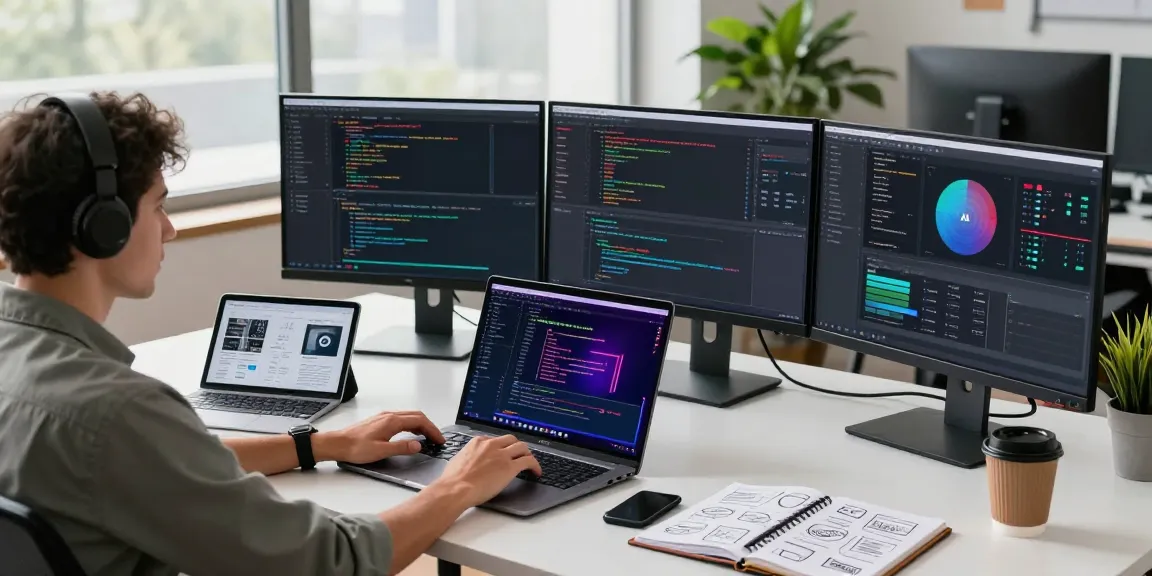
Understanding AI Laptops
The emergence of AI laptops has revolutionized the computing landscape, integrating advanced technologies that enhance user experience and productivity. These sophisticated machines are designed to tackle complex tasks utilizing artificial intelligence capabilities, making them essential for professionals, gamers, and content creators alike. As we move into 2026, understanding the nuances of AI laptops becomes critical for anyone looking to harness the power of AI in their daily tasks.
What is an AI Laptop?
AI laptops are specialized computing devices that utilize artificial intelligence technologies to optimize performance and user interaction. They typically feature advanced processors, such as neural processing units (NPUs), which are specifically engineered to handle AI workloads efficiently. This allows for seamless operation of applications that rely on machine learning and data analysis.
Key Features of AI Laptops
- Neural Processing Units (NPUs): These specialized chips are crucial for efficient AI operations, providing enhanced computational capabilities compared to traditional CPUs.
- Smart Software Integration: AI laptops come pre-installed with software that can learn user preferences, automate tasks, and offer predictive text and scheduling.
- Improved Battery Management: AI technologies optimize power consumption by learning usage patterns, extending battery life significantly.
- Enhanced Security Features: AI-enabled laptops can recognize unusual behavior or potential threats, providing an extra layer of security for sensitive data.
How AI Laptops Differ from Traditional Laptops
While traditional laptops are built to handle standard applications and general computing tasks, AI laptops take it a step further by integrating machine learning capabilities directly into their hardware and software. This allows them to learn and adapt to user behavior, making them significantly more efficient in managing workloads that require real-time data processing and analysis.
Choosing the Right AI Laptop for Your Needs
When considering an investment in an AI laptop, understanding the specific features and capabilities that align with your needs is paramount. For instance, professionals in data science or content creation may prioritize laptops with stronger NPUs and extensive RAM, while gamers might seek out graphics capabilities optimized for AI-driven gaming experiences. Exploring options for an AI laptop can provide comprehensive insights to help you make an informed decision.
Top AI Laptops to Consider in 2026
Several noteworthy models are set to define the AI laptop market in 2026, catering to various user needs:
- Asus ROG Flow Z13: Ideal for gamers, this laptop offers powerful graphics handling and AI-enhanced gameplay performance.
- Apple MacBook Air M4: Known for its efficiency and seamless integration of AI features, this laptop is perfect for everyday use and content creation.
- Lenovo Ideapad Slim 3x: Offers a balance of performance and value, making it suitable for students and casual users.
- Dell XPS 15: Combines stunning visuals with robust processing power, making it a fantastic choice for creative professionals.
Identifying Your Use Case: Business, Gaming, or Content Creation
Before purchasing an AI laptop, it’s essential to identify your primary use case. Business users might prioritize features that enhance productivity and collaboration, while gamers will look for rich graphics and performance. Content creators often need a balance of processing power and display quality to ensure a seamless workflow. Tailoring your choice based on these criteria will maximize the utility of your investment.
Evaluating Performance Metrics: What to Look For
When assessing performance metrics for AI laptops, consider the following:
- Processor Type: Look for laptops equipped with NPUs or high-performance CPUs that can handle AI tasks efficiently.
- RAM Capacity: A minimum of 16GB is recommended for smooth operation of demanding applications.
- Storage Type: Opt for SSDs over traditional HDDs to ensure faster data access and boot times.
- Battery Life: Evaluate models that use AI to intelligently manage battery consumption for extended usage.
Best Practices for Utilizing Your AI Laptop
Optimizing Software for AI Tasks
To fully leverage the capabilities of your AI laptop, it’s essential to optimize the software you use. This includes choosing applications designed to take advantage of AI features, such as predictive analytics tools and automated workflow software. Regularly updating your software will also ensure you have the latest enhancements and security updates.
Battery Management Techniques for Efficiency
AI laptops excel in energy management, but users can further optimize battery life by:
- Utilizing power-saving modes during less intensive tasks.
- Adjusting screen brightness based on ambient light conditions.
- Disabling unnecessary background applications that drain resources.
Integrating AI Tools for Enhanced Productivity
Integrating AI-driven tools, such as virtual assistants or project management applications, can significantly boost productivity. These tools not only help in organizing tasks but also in predicting project timelines and potential challenges.
Common Challenges and Solutions
Overcoming Performance Issues with AI Laptops
Performance issues may arise with AI laptops, especially when running intensive applications. Solutions include:
- Monitoring and managing resource usage through task management tools.
- Regularly updating drivers and software to enhance compatibility and performance.
- Adding additional RAM or storage if the laptop allows for upgrades.
Addressing Compatibility Concerns with Software
Some users may face compatibility issues with existing software on AI laptops. It’s vital to check vendor updates and seek software alternatives optimized for AI experiences to mitigate these concerns.
Maximizing ROI on Your AI Laptop Investment
Maximizing return on investment (ROI) involves not just the purchase price but also considering warranty, support, and potential upgrade paths. Keep track of your laptop’s performance and consider whether upgrades or software changes could enhance its longevity and utility.
The Future of AI Laptops and Emerging Trends
Predicted Developments in AI Laptop Technology
The future of AI laptops is bright, with expected advancements in hardware and software. Upcoming trends include:
- More powerful and efficient NPUs.
- Increased integration of AI in everyday applications.
- Greater focus on security through AI-enabled environments.
Impact of AI on Daily Computing in 2026 and Beyond
AI technologies are anticipated to further permeate personal and professional spheres, automating mundane tasks and enhancing decision-making processes. Expect smarter algorithms in applications that will allow for more personalized user experiences and improved overall efficiency.
Expert Insights on Adopting AI for Everyday Use
Industry experts recommend gradually integrating AI tools into your routine, allowing for a smoother transition. Engaging in communities or forums focused on AI technology can also provide valuable insights and support in navigating this evolving landscape.
What is an AI laptop?
As defined earlier, an AI laptop is a computing device incorporating artificial intelligence technologies aimed at improving user interaction and performance. It adapts to user behaviors and tasks, offering solutions tailored to individual needs.
Do I really need an AI laptop?
If your tasks involve data-heavy applications, AI research, or require advanced computing capabilities, investing in an AI laptop can significantly enhance performance and efficiency. For everyday tasks, a traditional laptop might suffice.
What is the best AI laptop right now?
The best AI laptop varies based on user needs; however, models such as the Asus ROG Flow Z13 and the Apple MacBook Air M4 are highly regarded for their performance and feature sets.
How do I choose a laptop for AI tasks?
Choosing a laptop for AI tasks requires assessing your specific needs, evaluating the hardware capabilities, and understanding the software integration that aligns with AI computing requirements.
Are AI laptops worth the investment?
Yes, AI laptops offer enhanced capabilities that justify their investment, particularly for users whose work involves data analysis and AI-dependent tasks. Over time, their efficiency can lead to significant productivity gains.


